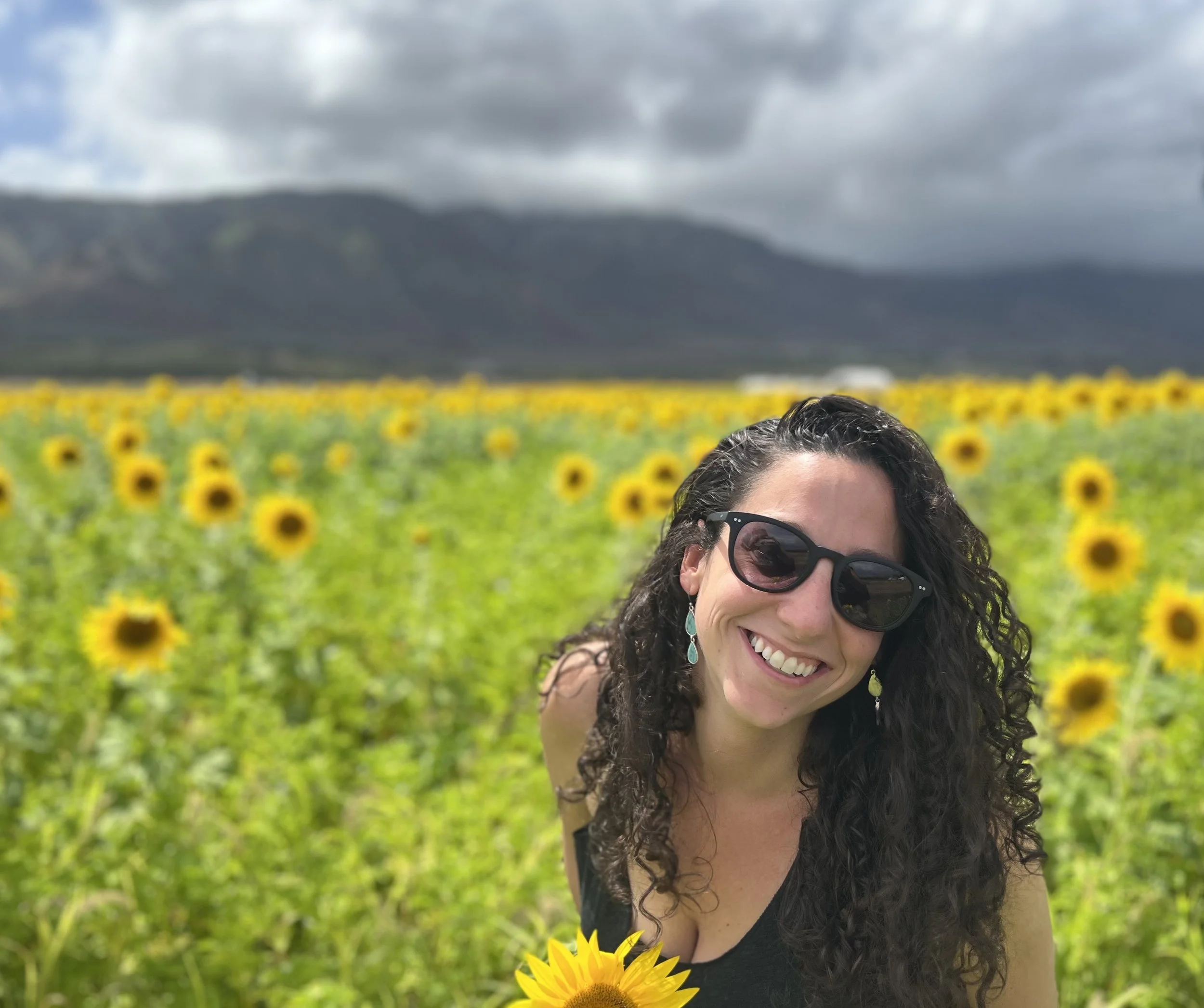
Meet Lydia
I’ve been curious about people for as long as I can remember
My Story
The People Who Shaped Me
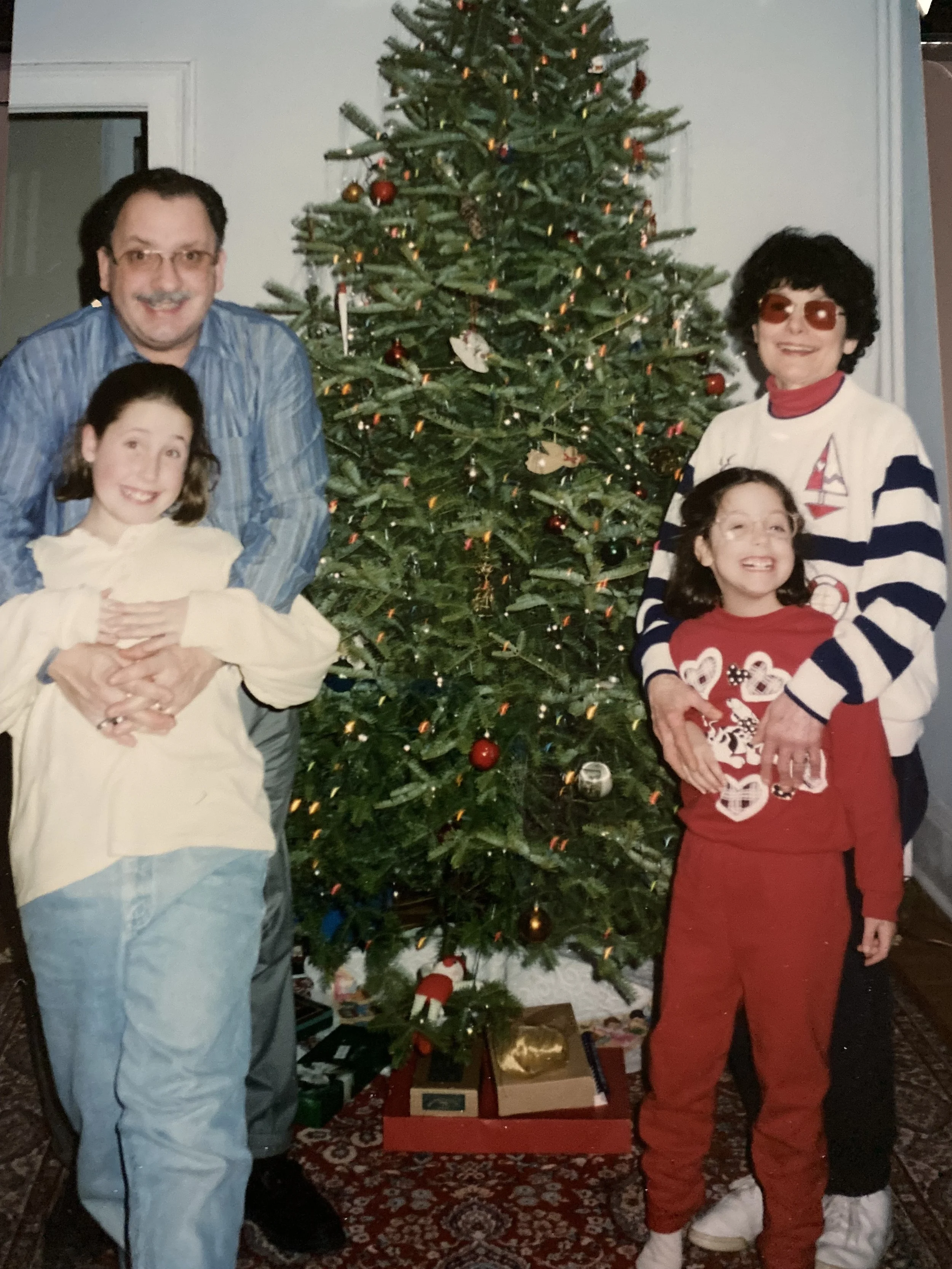
I grew up on the East Coast in an Italian family, right next door to my grandparents.
My grandfather was sharp, funny, hardworking, and he easily connected with people. My grandmother was kindness in action. She was warm, generous, and deeply committed to caring for others. These were qualities I grew up alongside and carried forward: humor, hard work, connection, acceptance, and compassion for others.
I remember many family dinners around their table, talking about health. Long before I had the language to understand any of it, I was hearing about diabetes, food, weight, mood, and mental health. These conversations were common because they were real challenges my family faced.
And somewhere along the way, I started wondering:
What is inevitable?
What is possible to change?
Seeking to Understand
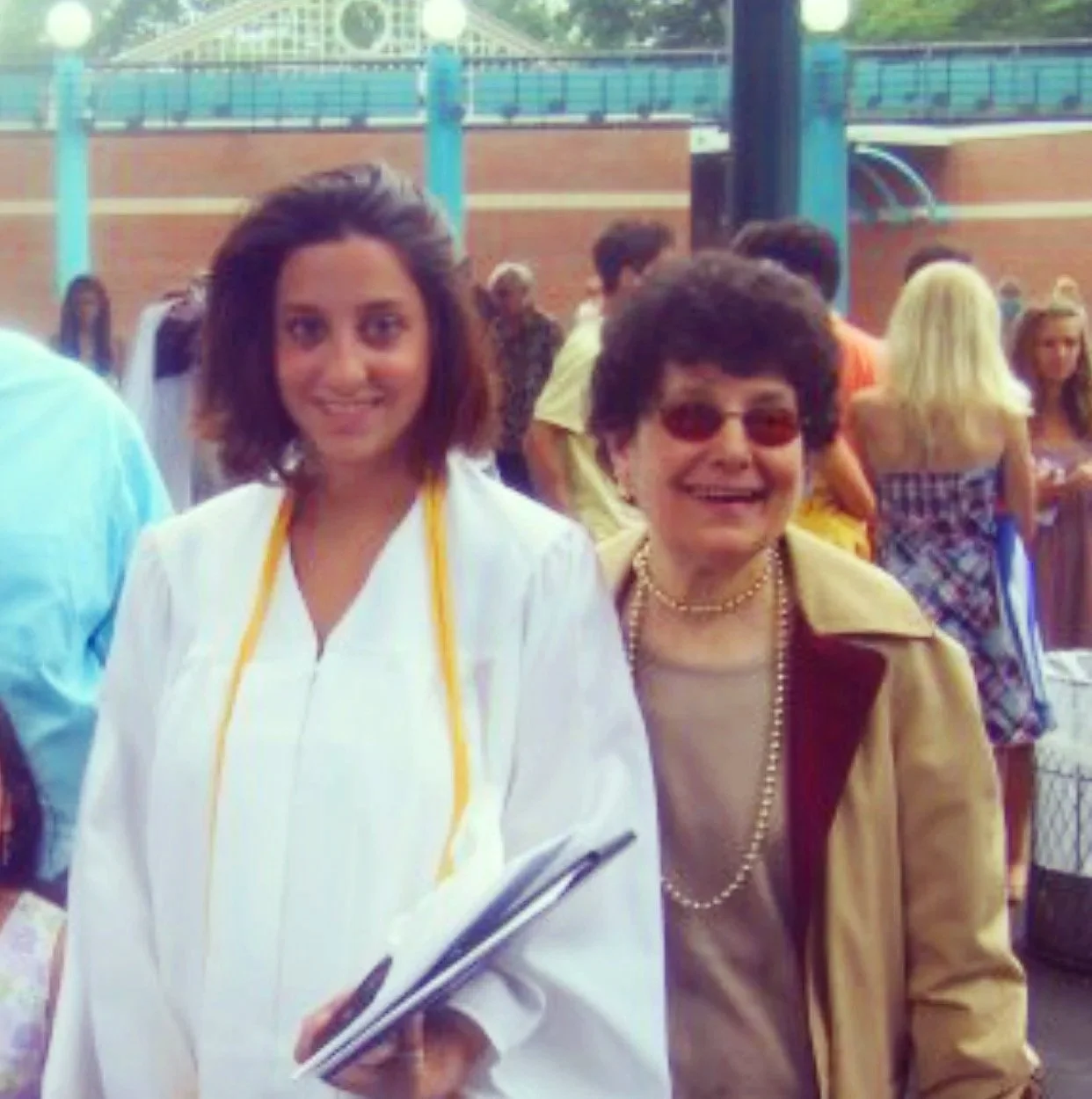
Those questions followed me into my education and work. I studied psychology, neuroscience, and medical science and eventually became a physician assistant. I wanted to understand the body and mind—to understand what shapes us, why things happen, and what might actually be possible.
I spent several years working in obesity medicine, where I learned a tremendous amount about physiology, nutrition, metabolism, and behavior. I learned what people were supposed to do.
But I kept seeing that knowing what to do didn't always mean being able to do it. I listened to people talk about the stories they carried about food and their bodies, the pressure they put on themselves, and the ways stress, emotions, beliefs, relationships, and environment shaped what they were actually able to do.
People weren't broken. They were often overwhelmed, confused, ashamed, disconnected from their bodies, or trying to follow something that had worked for someone else. I began to see that there was so much more happening under the surface.
I became less interested in being the authority on someone's health and more interested in helping people understand themselves.
The Island of Lāna‘i Became A Teacher
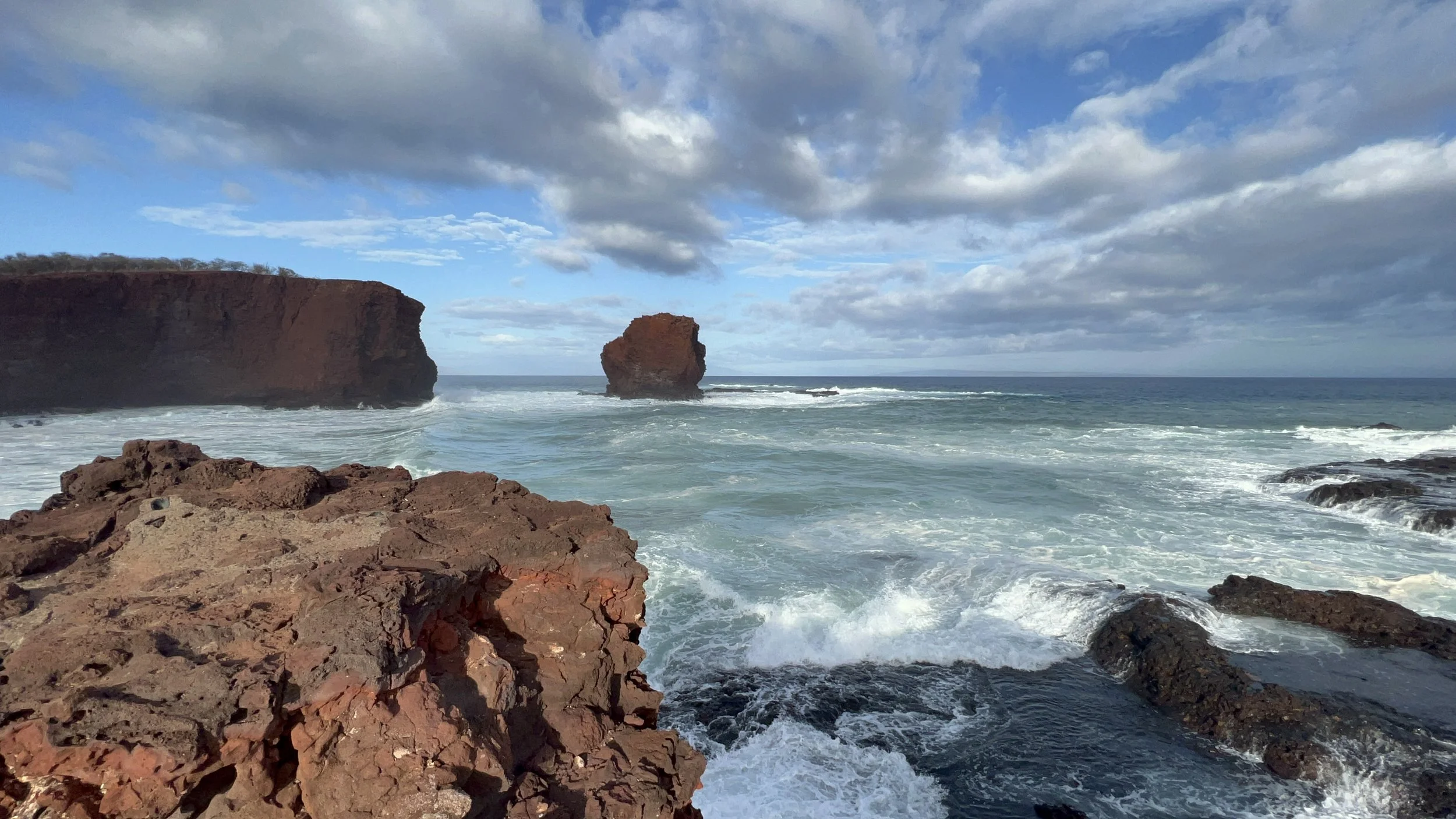
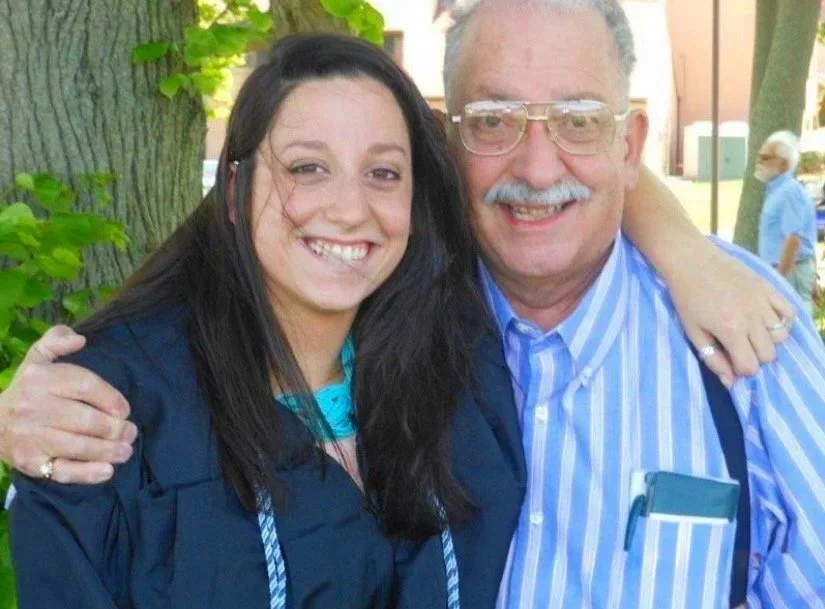
That deep desire to help people understand themselves eventually gave me the courage to leave the medical profession and shift into coaching. I accepted a position at an exclusive wellness retreat on Lāna‘i, a tiny Hawaiian island thousands of miles from everyone I knew.
Lāna‘i life is a unique experience. While the rest of the country is ordering Uber Eats, riding in Waymos, and paying extra for Amazon delivery to arrive in a few hours, life on Lāna‘i operates on a very different timeline. If you need to have your teeth cleaned, you take a ferry or a plane to another island. There are no road trips. There are no stoplights. The average speed limit is 25 mph, and you'll often find yourself behind someone happily going 15. There are 10x more deer than people. And the seasons that matter are whale season and hurricane season.
It was beautiful, quieter, slower, and wonderfully removed from the world I had known.
And after years of being deeply focused on knowing—learning, analyzing, understanding, solving, achieving—I began to soften into something I hadn't given nearly as much attention to: being and feeling.
Lāna‘i gave me the space to slow down enough to notice what was happening inwardly.
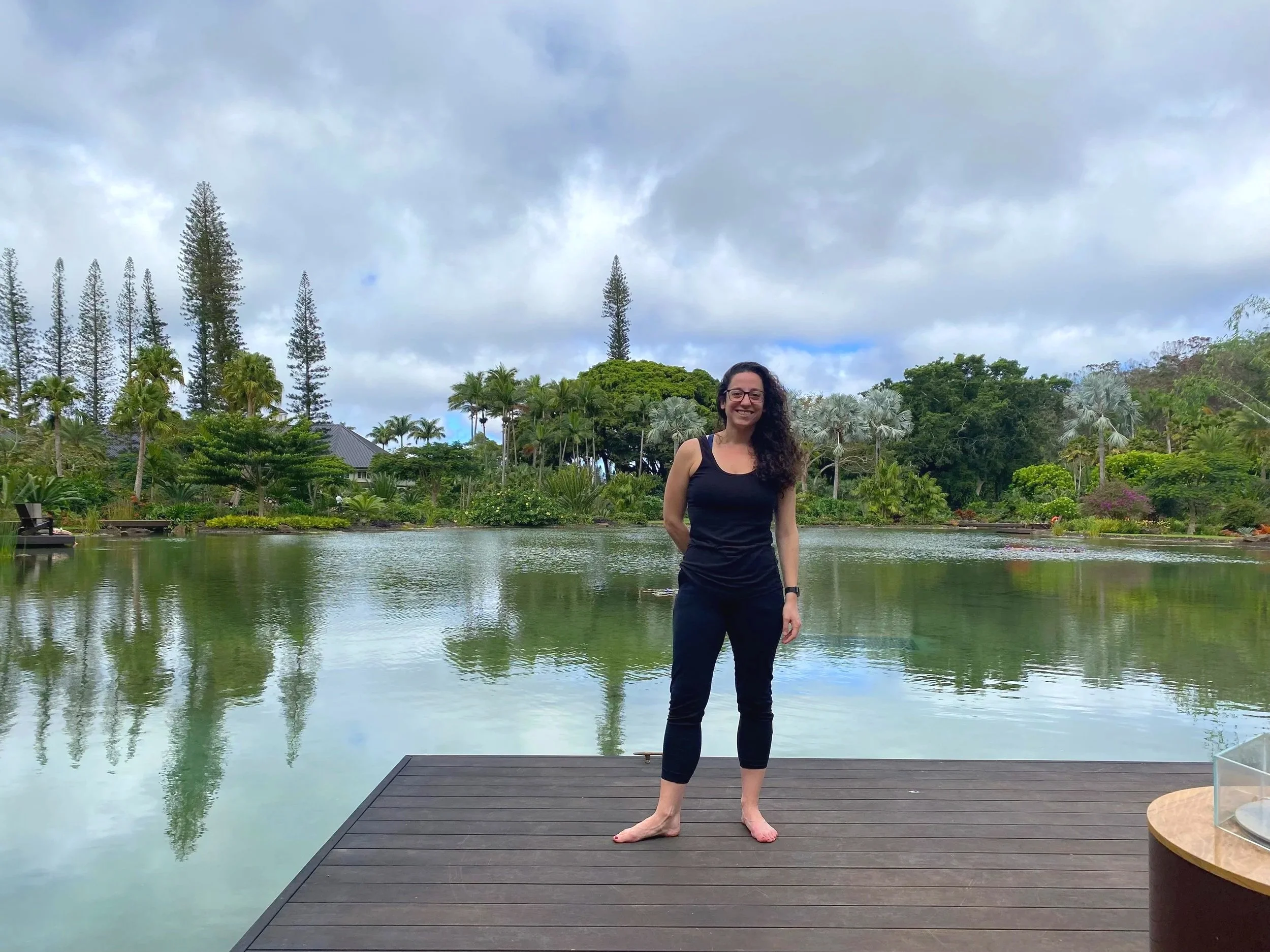
Uniquely Human
While the island was teaching me to look inward, the people around me were expanding the way I worked outwardly with others.
Learning and working alongside an extraordinary group of practitioners with different areas of expertise helped me grow, diversify, and refine how I approached people and what they were navigating. I learned from perspectives rooted in mindfulness, movement, physiology, psychology, bodywork, nature, connection, compassion, and ancient wisdom.
I worked with clients from remarkably different walks of life. They included physicians, executives, athletes, entrepreneurs, and other high performers. Their lives looked very different on the surface, but underneath were many of the same deeply human struggles:
achievement and identity · stress and connection · productivity and purpose · health and aging · what makes a life feel worthwhile
The more people I worked with, the more I saw how complex and interconnected these human problems could be—how one part of a person's life could shape another in ways that weren't always obvious.
And I found myself returning to familiar questions:
What does a good life look like?
What does it need to grow?
Where GG Comes From
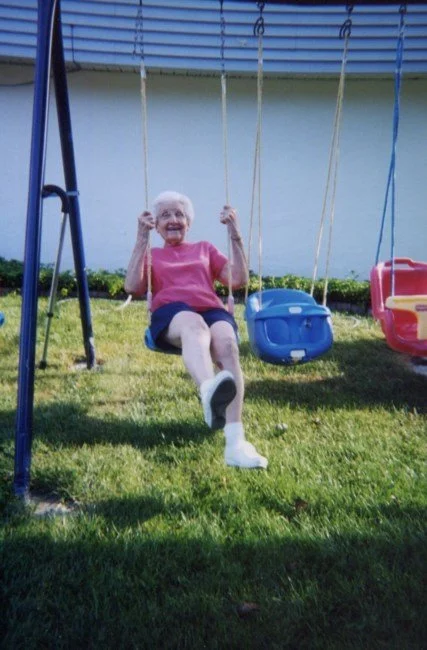
Each year, we would go visit my grandparents' mothers—my GGs. They both lived to nearly 100. But their later years looked very different.
One was still living in her two-story house, cooking, playing cards, tap dancing, and exuding vitality. The other spent her final decade in a nursing home, with little interaction with people or the world outside.
I didn't realize it at the time, but those visits planted a seed in me. They gave me an early understanding that a long life and a good life are not necessarily the same thing—and that how we live matters.
Decades later, as I began shaping my own approach to helping people build a life that feels good and meaningful to them, I realized that seed was still there.
The more I thought about what a good life means to me, the more I recognized the things I had learned from them: playfulness, warmth, community, connection, curiosity, and the ability to grow and change with grace.
These things live at the heart of GG.
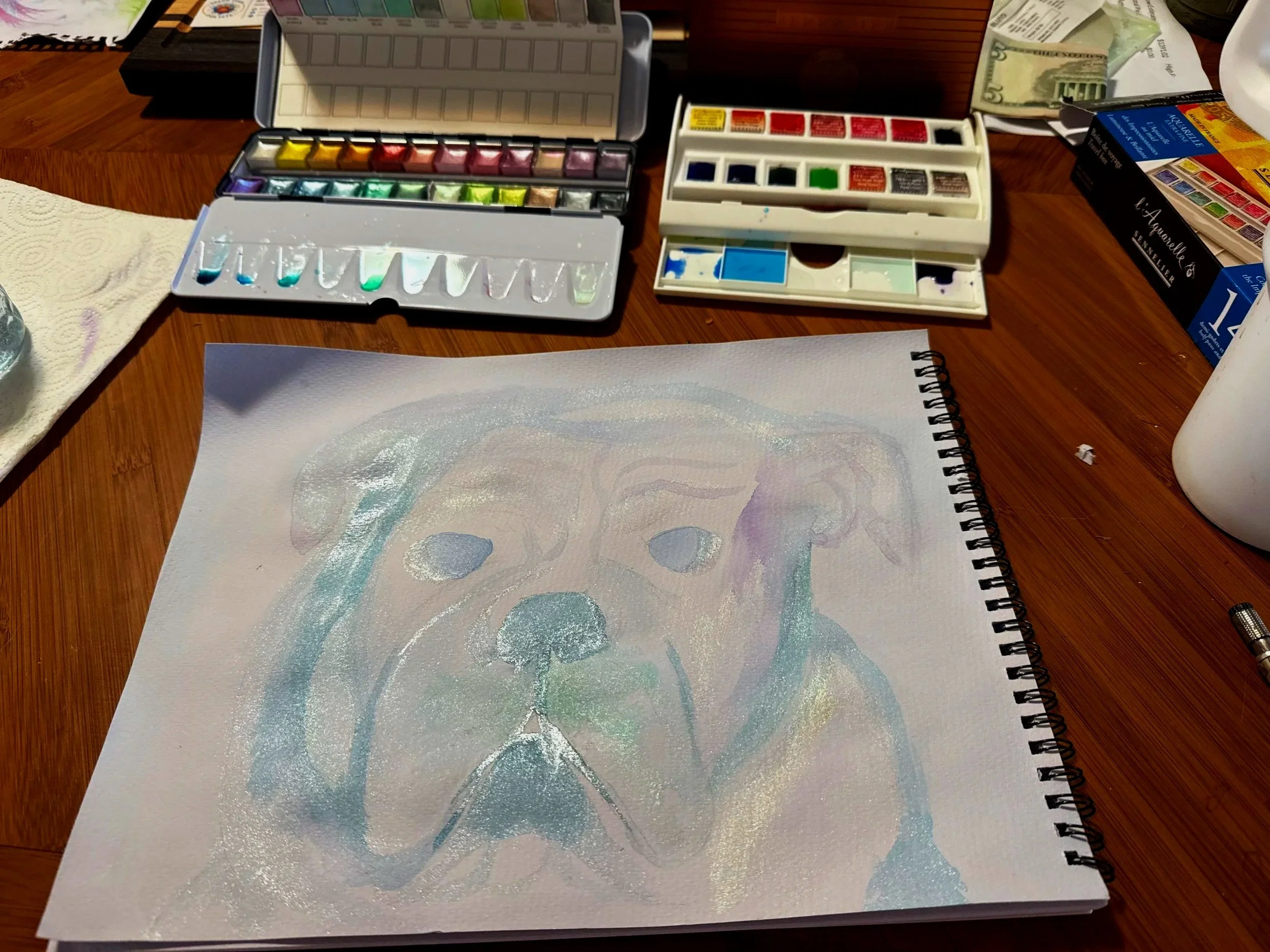
My understanding of wellbeing continues to be shaped by what I experience, what I learn, and what life teaches me along the way.
Not long ago, while moving through grief, I unexpectedly found my way back to my love of creativity. Watercolor gave me somewhere to put what I was feeling. It gave me a way to get lost in something, be present, express myself, and connect with a quieter, more intuitive part of myself.
It reminded me that something doesn't have to be productive or have a clear purpose to be useful to us. Sometimes we need space to play, create, feel, or simply be. And sometimes those things connect us to parts of ourselves we didn't realize we had been missing.
It was a major piece of the GG ecosystem that I hadn't fully recognized before. And I think that's the nature of the ecosystem itself: like us, it continues to morph as we experience, learn, and grow.