You’re not a list of wellness protocols
You're an ecosystem.
The different parts of our lives influence one another. We don't need to work on everything—we need to understand enough of the whole picture to notice what matters now: what's lacking, what's getting in the way, or what's asking for more attention.
A Good Life Is an Ecosystem
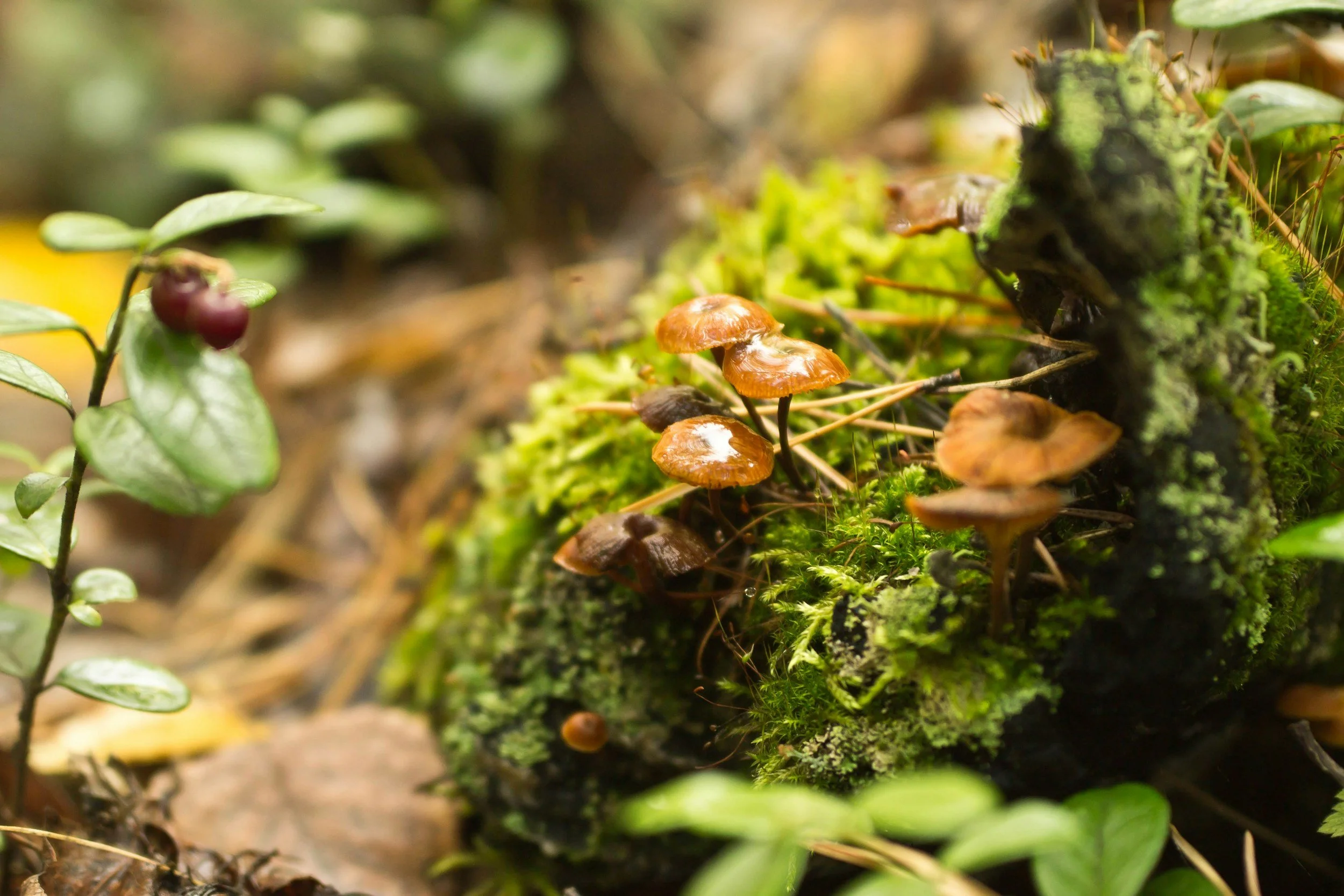
The interconnected areas of life we will explore together.
Inside the GG Ecosystem
-
How we nourish and replenish ourselves.
Food is part of nourishment, but it isn't the whole story. We might explore hunger, cravings, energy, hydration, caffeine, meal timing, metabolism, blood sugar, digestion, and our relationship with food and our bodies.
We also look at the things that nourish us beyond food—connection, nature, creativity, pleasure, community, meaningful work, rest, and the experiences that help us feel replenished.
-
How we experience, inhabit, care for, and develop the physical body.
Movement isn't punishment or compensation. It's one way we care for and connect with our bodies.
We might explore strength, mobility, endurance, posture, balance, pain, recovery, everyday movement, exercise, play, and the ways our movement needs change throughout life.
-
How we recognize, respond to, recover from, and adapt to stress.
Stress isn't only a deadline or a difficult conversation. Our bodies respond to many different demands—from lack of sleep and skipped meals to emotional strain and chronic pressure.
We explore your individual stress patterns, what helps you regulate, how to recognize when you're becoming overwhelmed or disconnected, and how to build greater flexibility in the way you meet challenge and recover.
-
How we slow down, recover, and replenish capacity.
This includes sleep—and the many forms of rest that happen beyond sleep.
We might explore sleep quality, duration, timing, circadian rhythms, light, caffeine, alcohol, food, exercise, and the environment around sleep.
Beyond sleep, we might explore downshifting, mental and emotional rest, breaks, boundaries, quiet, nature, restorative connection, creativity, and giving an overworked mind somewhere to land.
-
How we connect, belong, communicate, care, and experience closeness.
Our relationships can be a source of nourishment, stress, support, joy, and growth.
We might explore communication, boundaries, vulnerability, conflict, partnership, parenting, friendship, intimacy, family, community, pets, and the ways connection shapes how we experience ourselves and the world around us.
-
How we explore, make, imagine, learn, and express ourselves.
Creativity isn't something reserved for “creative people.” It's a human capacity—and a way of paying attention, experimenting, expressing what can't always be put into words, and making room for curiosity.
We might explore art, writing, music, cooking, making, play, learning something new, or simply doing something without needing it to be productive.
-
How we understand ourselves and create a life that feels like our own.
Who am I? What matters to me? How do I want to live?
We might explore values, identity, purpose, self-talk, comparison, self-trust, spirituality, meaning, work, contribution, life transitions, and the gap between the life we're living and the life we're trying to create.
-
How the places, people, technology, pace, and sensory world around us shape how we feel and behave.
Our environments constantly influence us—often without us noticing.
We might look at home and workspace, clutter, technology, attention, pace, routines, convenience, friction, access, nature, sensory input, and the conditions that make certain behaviors easier or harder.
-
How money, time, resources, and security influence our choices, priorities, and sense of freedom.
Money is rarely just about numbers. Our experiences and beliefs about money can shape how we spend, save, give, receive, work, rest, and invest in ourselves.
We might explore money stories, financial security, “enough,” resources, self-investment, generosity, freedom, time, work, and what we're choosing to give our finite resources to.
The point isn't to optimize every area.
It's to uncover what might be influencing how you feel, function, and experience your life.
A Different Way of Coaching
We learn.
Not just about health, but about you.
We listen.
To your body, your patterns, and your experiences.
We reflect.
On what you're noticing and what matters.
We experiment.
Try something. See what happens. Adjust.
We play.
Make room for curiosity, creativity, and trying without needing to get it right.
We adapt.
Carry what you learn into real life.